Canton, Ohio is home to the Pro Football Hall of Fame — and it’s no accident. Football runs deeper in Ohio than in almost any other state, and that history shows up every Friday night on high school fields from Cleveland to Cincinnati. Ohio high school football rankings aren’t just a list of winners and losers; they’re a weekly snapshot of a state that treats the sport like a birthright. This guide breaks down how those rankings actually get built, which programs keep showing up at the top, and where to check the Ohio High School Football Rankings numbers yourself before your next tailgate.
A State Built on Football
Ohio doesn’t just watch football — it exports it. The state has produced more NFL players per capita than almost anywhere else in the country, and that talent pipeline starts on high school fields.
As a hub of talent, the Ohio High School Football Rankings reflect the best programs and schools in the state.
A few things drive the obsession:
- Massillon and Canton’s century-old rivalry, one of the oldest in American football
- Dozens of NFL Hall of Famers who started their careers on Ohio high school teams
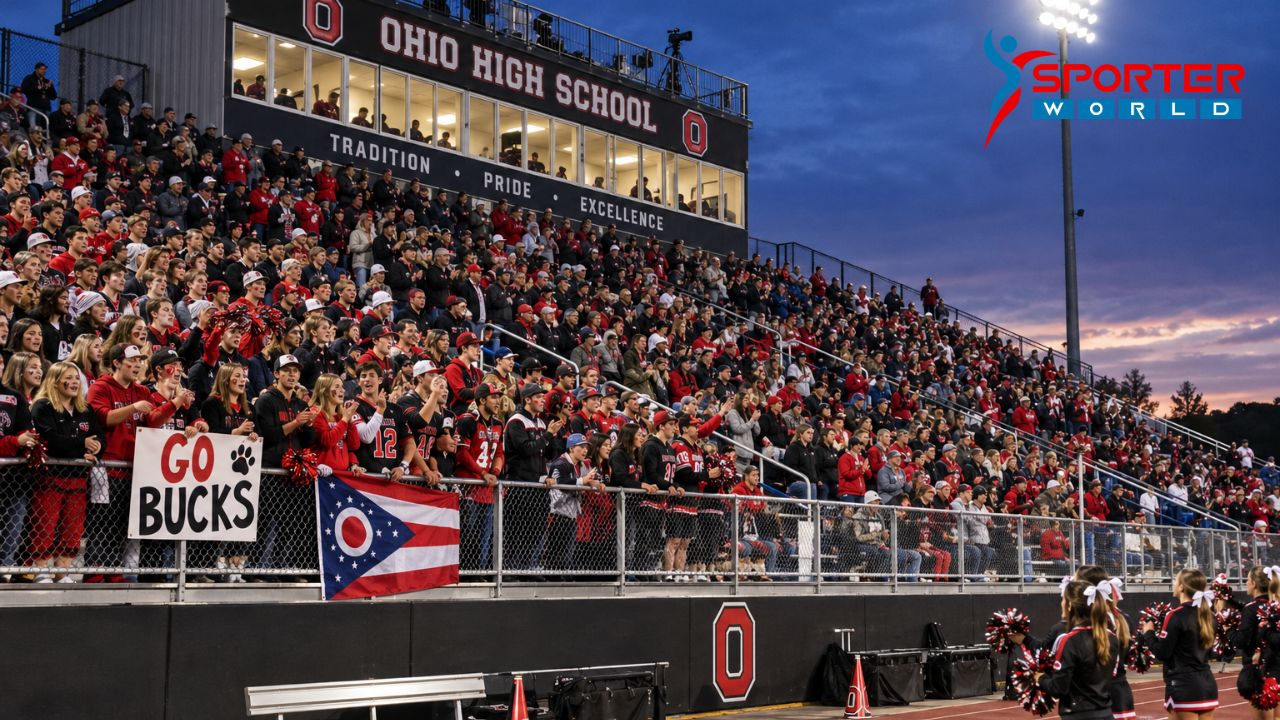
- A statewide culture where Friday night attendance often rivals small college games
What Actually Goes Into the Rankings
Not every ranking system uses the same formula, but most Ohio high school football rankings lean on a similar set of ingredients:
Understanding the Ohio High School Football Rankings helps fans navigate the competitive landscape of high school football in Ohio.
| Factor | Why It Matters |
|---|---|
| Win-loss record | The foundation of any ranking |
| Strength of schedule | Rewards teams that play tough opponents |
| Head-to-head results | Decides close calls between similarly ranked teams |
| Margin of victory | Signals dominance, within sportsmanship limits |
| Coach and media polls | Adds context computers can miss |
The Ohio High School Athletic Association (OHSAA) handles official playoff seeding separately, using a computer points system rather than a media poll.
The Ohio High School Football Rankings are essential for tracking which teams excel throughout the season.
Ohio’s Divisions, Broken Down Simply
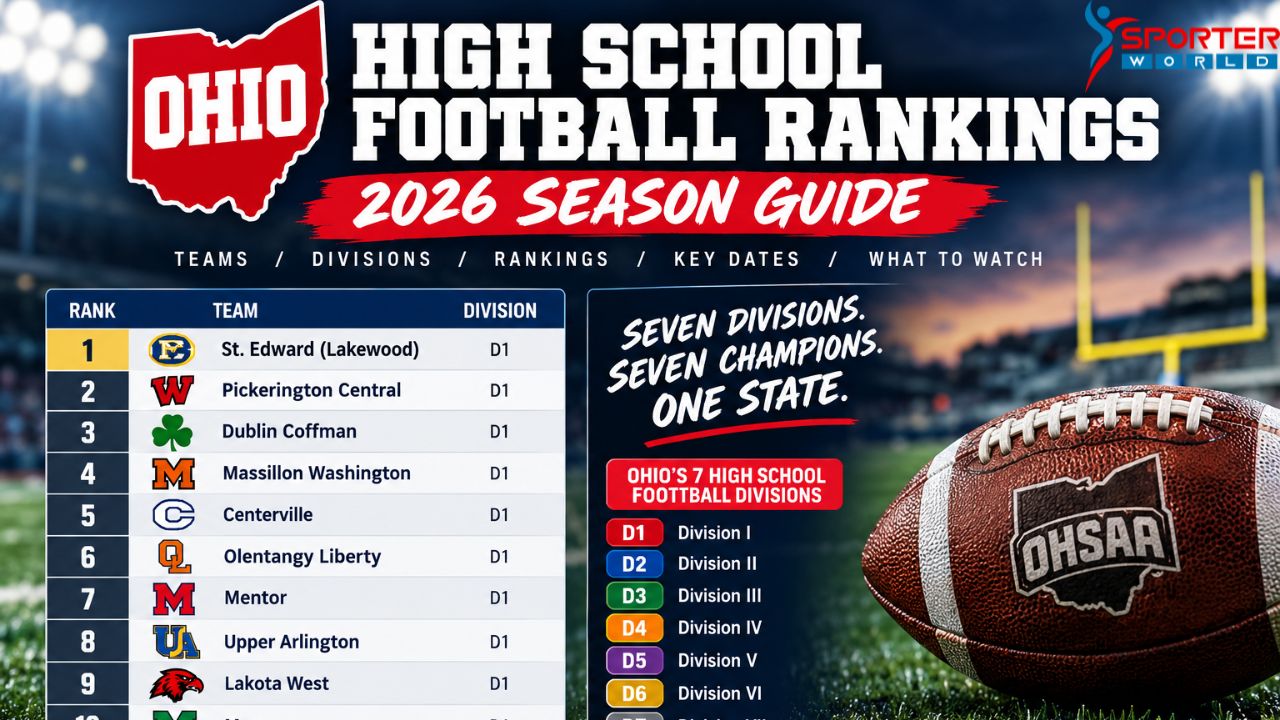
OHSAA sorts schools into seven divisions by enrollment — Division I down to Division VII. This matters because a Division VII small-town team and a Division I Columbus suburb school will never share a ranking list.
- Division I–II: Large suburban and city schools, often with the deepest rosters and most Division I recruits
- Division III–IV: Mid-size schools that regularly punch above their weight in the playoffs
- Division V–VII: Small-town programs where the whole community shows up, rain or shine
The Programs Everyone’s Watching
These schools consistently appear in the Ohio High School Football Rankings, demonstrating their excellence year after year.
A few Ohio names show up in rankings conversations almost every year, for good reason:
Their performances influence the Ohio High School Football Rankings, showcasing their significant impact in the sport.
Massillon Washington — Arguably the most storied program in state history, with a fan base that treats the team like royalty.
Cincinnati St. Xavier — A consistent Division I contender known for developing college-ready talent.
Archbishop Moeller (Cincinnati) — Multiple state titles and a reputation for sending players to major programs.
Pickerington Central — A Columbus-area powerhouse that’s become a fixture in top-tier rankings.
Avon — A newer name climbing the rankings fast, especially in the Cleveland suburbs.
Finding Real-Time Rankings
Skip the guesswork — here’s where the actual numbers live:
-
- OHSAA.org for official computer points and playoff standings
Fans can access the latest updates on the Ohio High School Football Rankings at various sports news outlets.
- MaxPreps for schedule-adjusted rankings updated weekly
- Cleveland.com and other regional outlets for coaches’ polls and local analysis
- 247Sports/Rivals if you’re tracking specific recruits tied to top programs
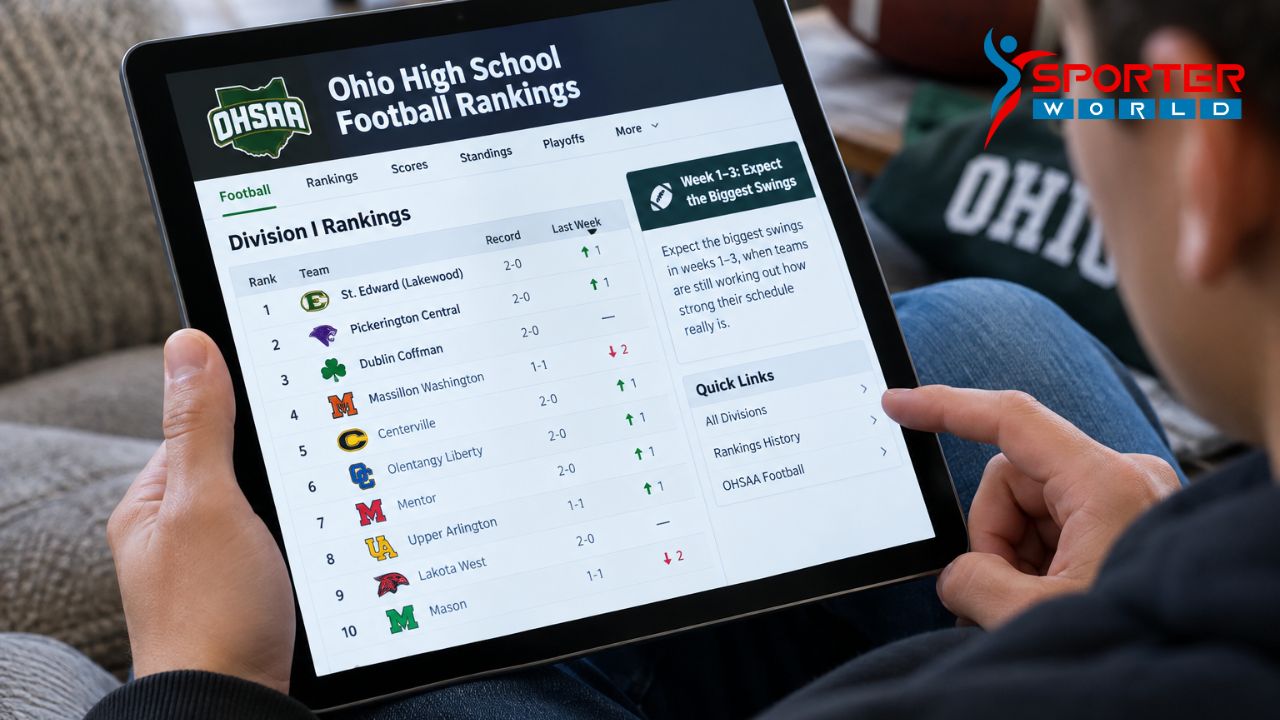
Why Ohio Punches Above Its Weight
This tradition plays a significant role in shaping the Ohio High School Football Rankings we see today.
It’s a fair question: why does a Midwest state with unpredictable weather produce this much football talent?
- Youth football programs feed directly into high school systems with real coaching infrastructure
- Communities treat high school coaches like local celebrities, which keeps programs stable for decades
- The state’s dense population centers mean more competition, which sharpens every roster
- A century of tradition means younger players grow up wanting to be part of it
Ohio’s relationship with football isn’t a trend — it’s generational. From Massillon’s century-old rivalry to Columbus suburbs churning out Division I talent, the state’s high school football rankings tell a story that goes well beyond win-loss columns. Whichever division you’re following, the games only get more meaningful as the OHSAA playoffs approach in late October. Check back each week for updated Ohio High School Football Rankings, and drop a comment with the Ohio team you think deserves more national attention.
The Ohio High School Football Rankings reflect a deep-rooted culture that emphasizes the importance of football in communities.
Q: How many divisions does Ohio high school football have? A: OHSAA splits football into seven divisions (I through VII), grouped by school enrollment size.
Q: Does Ohio use a media poll or a computer system for playoffs? A: Ohio’s official playoff seeding comes from an OHSAA computer points system, separate from media and coaches’ polls that fans often follow for rankings.
Q: What is Ohio’s most historic high school football program? A: Massillon Washington is widely considered Ohio’s most storied program, with a rivalry against Canton McKinley dating back over a century.
Q: When does the Ohio high school football playoff season start? A: Playoffs generally begin in late October, following the conclusion of regular-season games, with state championship games held in early December.
Q: Why does Ohio produce so much football talent? A: A combination of strong youth football feeder programs, stable long-term coaching, and a century-long football culture contributes to Ohio’s talent pipeline.